Complete seamless polyurethane membrane system. Joint treatment, crack-bridging membrane, UV-resistant topcoat. Written 10-year guarantee. Free on-site inspection.
After 6,000+ inspections across Dubai’s villas, the causes of flat roof leaks fall into a small number of predictable categories. Identifying the correct cause is the difference between a fix that lasts one season and one that lasts ten years.
Dubai’s temperature range of 15–48°C causes structural concrete to expand and contract by several centimetres annually. Expansion joints — designed to accommodate this movement — crack and open when sealed with the wrong material or left unmaintained. Responsible for over 60% of villa roof leaks. Tell-tale sign: staining appears in a regular pattern across the ceiling, following the joint layout below.
Every pipe, drain, AC unit, and mechanical penetration creates a point of vulnerability. The flashing — a waterproofed collar around the penetration — degrades faster than the main membrane due to vibration from mechanical equipment, UV exposure, and thermal cycling. Water ingress appears at the base of AC condensers or soil stacks, typically only during heavy rain when pooling occurs around the penetration.
Most Dubai villas built between 1995 and 2015 were waterproofed with torch-on bitumen membranes carrying a 10–15 year service life under UAE conditions. After degradation, the membrane becomes brittle, loses adhesion, and allows water to migrate laterally across the roof before finding an entry point — often far from where the interior leak appears. UV-induced cracking is the most visible symptom.
Parapet walls, upstands, and roof edges are transition points between vertical and horizontal waterproofing. Movement between the parapet wall and the roof slab — driven by differential thermal expansion — opens gaps at the junction. These are among the most commonly missed failure points during patch repairs, and among the most common causes of repeat leaks after a contractor has already “fixed” the roof.
Every villa roof we waterproof follows the same precision-layered system. No shortcuts. No skipped steps. Each layer is specified to perform a specific function — and every layer earns its place in the system.
Complete removal of all existing failed membrane layers, coatings, contaminants, loose material, and organic growth. Mechanical scarification or high-pressure washing of the concrete substrate. Crack mapping and documentation. All existing cracks wider than 0.3mm are routed and filled before system application. The substrate must be structurally sound, clean, and completely dry before any material is applied — we never work on a compromised substrate.
Concrete moisture <4% · Surface profile CSP 3–4A penetrating polyurethane primer is applied to the prepared concrete substrate. The primer penetrates the surface pores, consolidates weak areas, and creates a chemical bond between the concrete and the waterproofing membrane above. Without a properly applied primer, even the best membrane will delaminate under UAE’s thermal cycling and UV conditions. Coverage is typically 0.2–0.3 kg/m² depending on substrate porosity.
Sika Primer MB · BASF MasterSeal P 770 · or equivalentThe most critical step — and the one most contractors skip. Every expansion joint, isolation joint, construction joint, pipe penetration, drain surround, upstand junction, and parapet connection is individually treated. Polyurethane sealant is applied into movement joints. Polyamide (polyester) reinforcement mesh is embedded into a first layer of wet polyurethane membrane at all joints, junctions, and penetrations. This reinforced detail layer bridges movement and prevents stress cracking at the most vulnerable points.
Polyamide 120 g/m² · 200mm minimum width at jointsA seamless, crack-bridging, elastomeric polyurethane membrane is applied to the entire roof surface in two coats applied perpendicular to each other. The membrane elongates by up to 400%, accommodating structural movement without cracking. Applied at a total dry film thickness of 1.5–2.0 mm for standard villa systems. The seamless application eliminates laps, joints, and seams — the primary failure points of sheet-applied systems. Total coverage approximately 1.5–2.0 kg/m² wet.
DFT 1.5–2.0 mm · Elongation >400% · Crack-bridging Class IIIA UV-stable aliphatic polyurethane topcoat is applied over the cured membrane. UAE’s solar radiation is among the most intense in the world — an unprotected aromatic polyurethane membrane will chalk and degrade within 2–3 years. The aliphatic topcoat provides colour stability, UV resistance, and weather protection, significantly extending the service life of the membrane beneath. Available in white or light grey for enhanced solar reflectance (SRI up to 87).
SRI up to 87 · Aliphatic UV-stable · 0.2–0.3 kg/m²Our waterproofing specialist visits your villa at no charge. We conduct a complete roof survey — moisture mapping, crack assessment, penetration audit, drainage check — and identify every leak source and failure point. No guesswork. No assumptions. A written inspection report is provided.
Typical duration: 45–90 minutes
Cost: Free of charge, no obligation
You receive a written proposal specifying every material by brand and grade, every square metre of coverage, every detail treatment, and the exact system to be applied. No vague descriptions. No “TBC” items. The proposal includes the guarantee document template so you know exactly what is covered before you agree to work.
All existing failed materials are removed. The concrete substrate is mechanically prepared to the required surface profile. Cracks are mapped, routed, and filled. Penetrations and drains are assessed and cleared. The roof is allowed to dry completely — we never apply over a damp substrate regardless of schedule pressure.
Before the main membrane is applied, every joint, penetration, upstand, parapet, and drain is individually treated with polyurethane sealant and polyamide reinforcement mesh. This step is applied first and separately — it is the most time-consuming part of the process and the reason our systems outlast those of contractors who skip it.
The polyurethane waterproofing system is applied in two coats, the second perpendicular to the first, to eliminate pin-holes and ensure uniform coverage. Our applicators hold manufacturer certification and apply strictly to the specified dry film thickness — verified by wet film gauge during application. Cold-applied and low VOC: no open flames, minimal odour, no need to vacate the property.
Before we leave, the completed roof is walked and inspected with you. We verify coverage, detail treatment, drainage, and finish. You sign off on the completed work — you do not pay until you are completely satisfied. Your written guarantee certificate is issued on the day of completion.
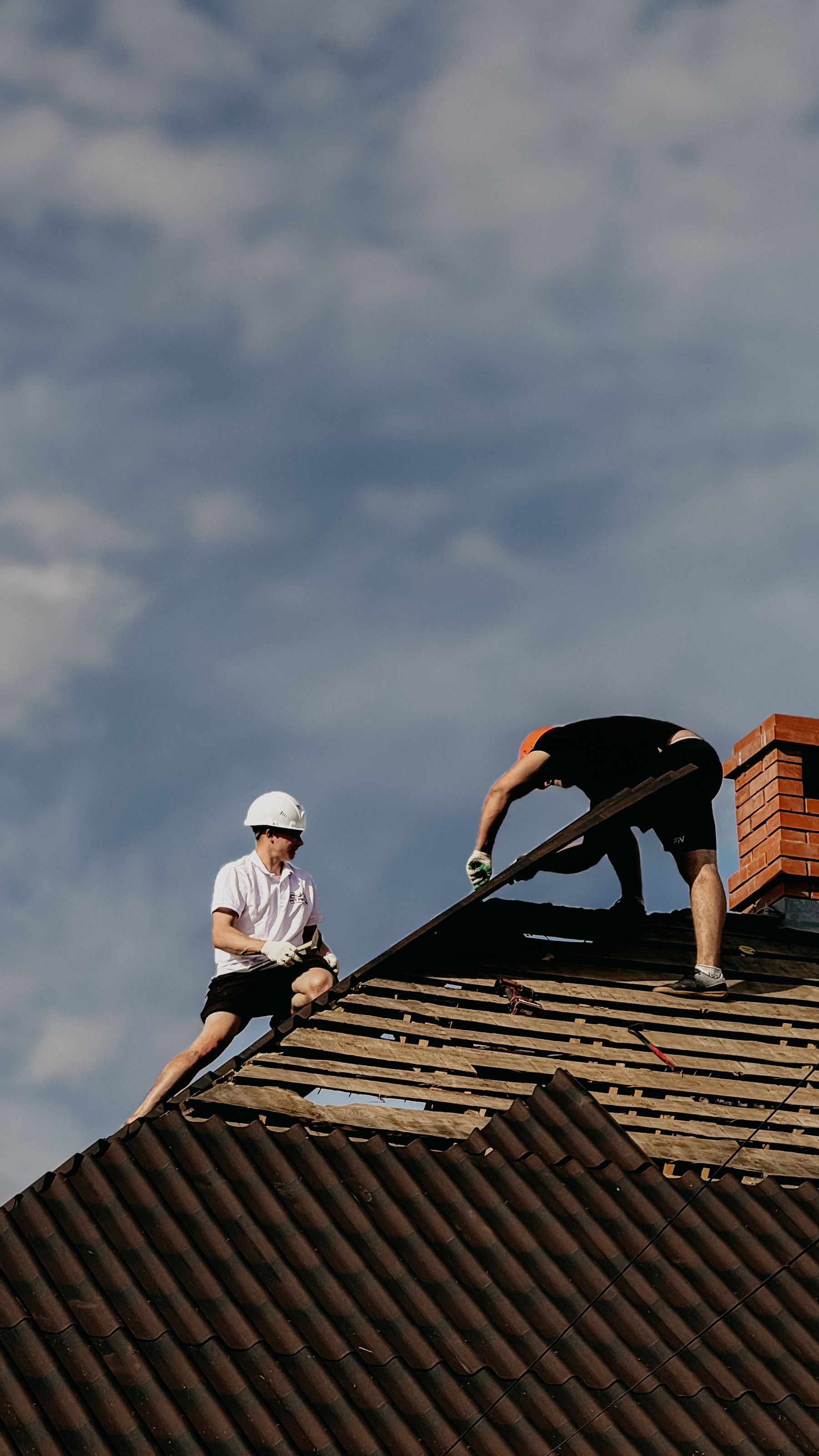
Every major waterproofing system we apply comes with a written guarantee — a formal document you keep, specifying exactly what is covered, for how long, and under what conditions. This is not a marketing statement. It is a legal commitment, issued in writing on the day the work is completed.
We have been honouring these guarantees since 2005. In twenty years, our standard has never changed.
Book Free InspectionOur waterproofing specialist visits your villa at no charge, identifies every failure point, and provides a written quote. You make the decision with complete information — no pressure, no obligation.