Metal warehouse roof waterproofing Dubai UAE industrial
Walton Waterproofing · Metal & Warehouse Roofs · Est. 2005

Metal Roof Waterproofing
Warehouse & Industrial UAE

Premium liquid-applied polyurethane systems for metal, corrugated, and profile roofs. Standard waterproofing and LEED-compliant cool roof options. Zero operational downtime. Written 10-year guarantee.

💬 WhatsApp Free Inspection 📞 +971 52 415 8786
2005
Established UAE
Zero
Operational Downtime
10 YR
Written Guarantee
SRI 111
Max Cool Roof Rating
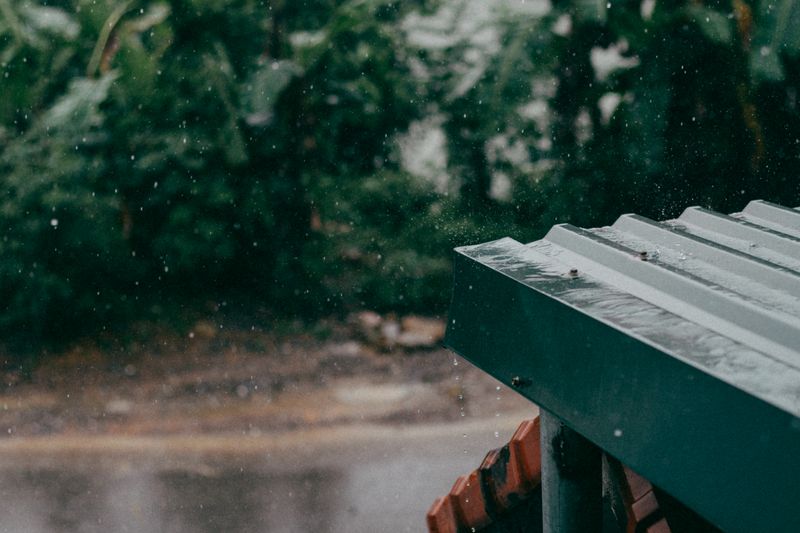
Metal roof waterproofing industrial warehouse Dubai UAE
Metal Roof Waterproofing
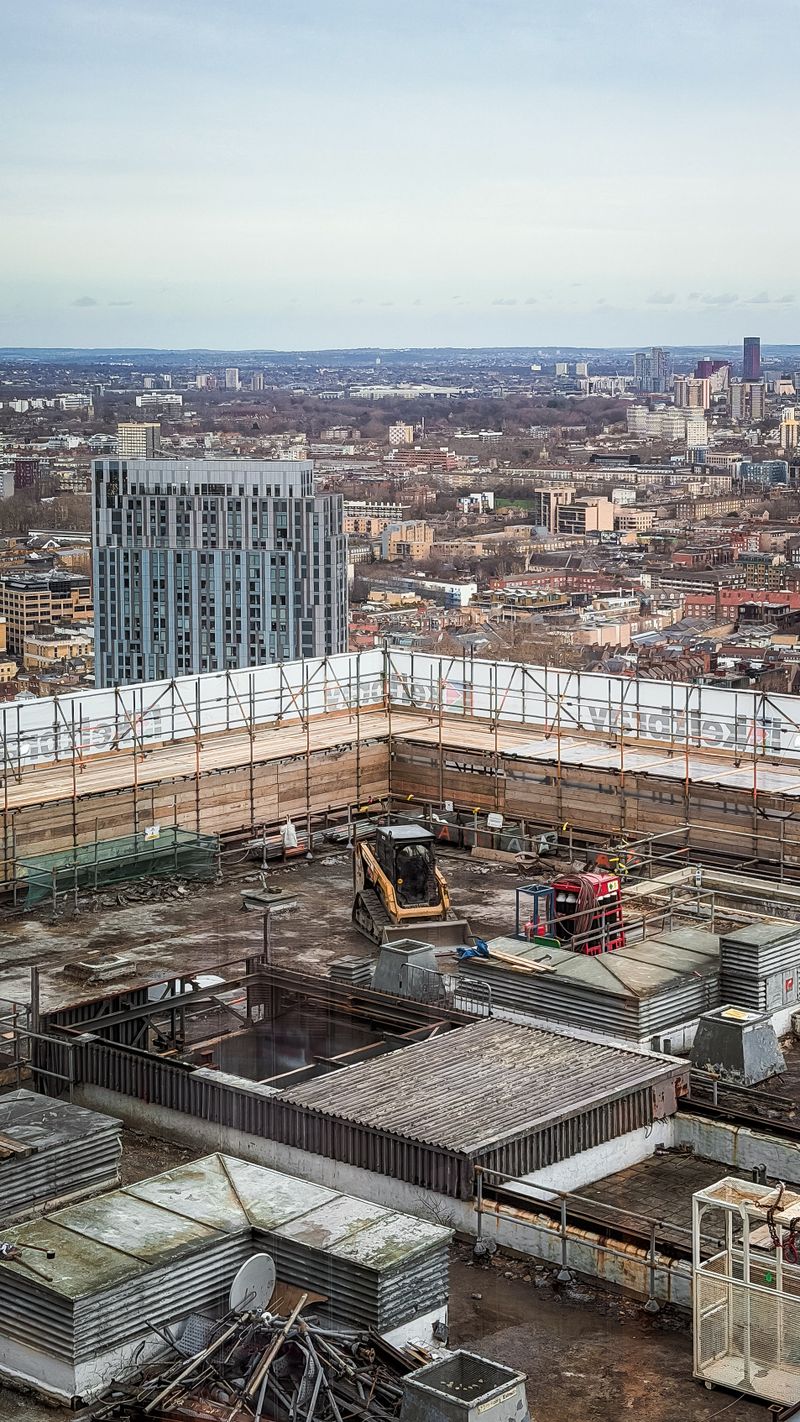
Warehouse aerial rooftop Dubai industrial waterproofing UAE
Warehouse Rooftop Systems
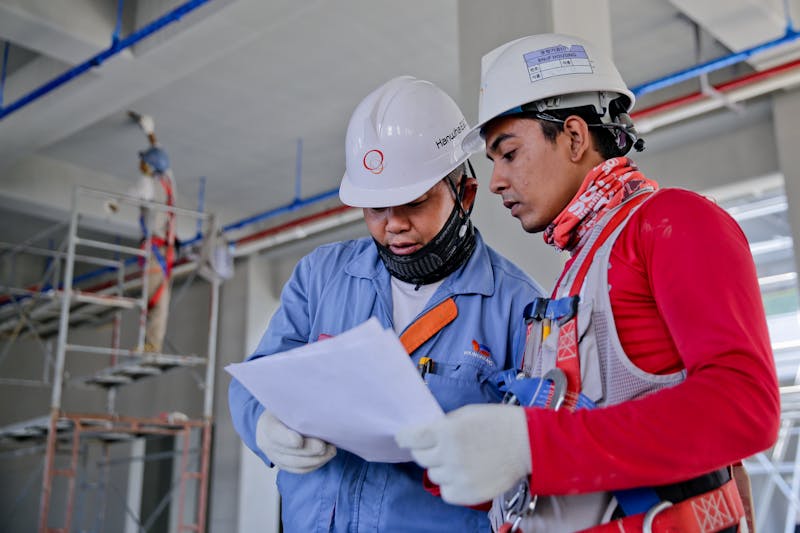
Waterproofing engineers inspecting industrial roof Dubai UAE
Expert Site Assessment
Choose Your System

Two complete systems.
One uncompromising standard.

Both systems begin with the same rigorous preparation and joint treatment. The cool roof system adds a UV-reflective white topcoat that qualifies for LEED SS Credit 7.2 and significantly reduces building heat gain.

01
🧹
Surface Preparation

The foundation of every long-lasting waterproofing system. All dust, dirt, grease, loose paint, rust scale, and contaminants are completely removed from the metal substrate. Mechanical cleaning of rusted areas using wire brush, angle grinder, or abrasive paper as required. The roof must be completely dry before any material is applied — application over damp metal causes adhesion failure and is prohibited under system specification.

Methods Used
  • Wire brush and angle grinder for localised rust removal
  • High-pressure air or blower to remove loose debris
  • Solvent wipe-down of grease and oil contamination
  • Full moisture check before primer application
SSPC-SP3 · Hand & Power Tool Cleaning
02
🛡️
Rust Treatment (Where Required)

All corroded metal areas are treated with an anti-rust primer specifically formulated for metal substrates. The rust converter chemically neutralises active corrosion and converts iron oxide to a stable compound that bonds to the metal surface. Applied immediately after mechanical preparation and before any moisture can re-form on the cleaned metal. Curing time strictly observed as per manufacturer’s data sheet before any subsequent coat is applied.

Application Criteria
  • Applied to all areas where rust scale has been removed
  • Two coats required on severely corroded areas
  • Full cure before overcoating — typically 4–8 hours at 30°C
  • Re-treat any areas that show continued corrosion after first coat
Phosphoric acid-based converter · 2-pack epoxy primer option for severe corrosion
03
🔧
Joint & Fastener Treatment

Metal roofs leak at their seams and fasteners — not through the metal itself. This step addresses every potential failure point systematically before the main membrane is applied. All side laps, end laps, rivets, self-drilling screws, penetrations, flashings, gutters, and skylight junctions are individually treated. This is the most labour-intensive and most critical step in the system.

Treatment Sequence at Each Joint
  • Fastener heads and caps checked and tightened — replace any failed fasteners with sealed stainless-steel alternatives
  • Polyurethane sealant applied into side laps, end laps, and around fasteners
  • Polyester fleece or polyamide reinforcement strip (min. 200mm wide) embedded into wet sealant/membrane at all laps and junctions
  • Critical areas: side laps, end laps, skylight joints, gutter joints, expansion joints, pipe penetrations, repaired panels
Polyamide 120 g/m² · Min. 200mm width · Full embedment required
04
🔗
Primer Coat

An approved polyurethane primer specifically formulated for metal substrates is applied across the full roof surface. The primer promotes adhesion between the metal and the waterproofing membrane, penetrates micro-pores in the surface, and prevents osmotic blistering. Coverage and application method strictly per manufacturer’s technical data sheet. Surface temperature must be at least 3°C above dew point during application.

Application Notes
  • Applied by brush, roller, or airless spray
  • Typical coverage: 0.15–0.25 kg/m² depending on substrate
  • Minimum overcoat time: 4–8 hours at 30°C ambient
  • Maximum overcoat time: 24 hours (re-prime if exceeded)
PU primer for metal · 0.15–0.25 kg/m²
05
💧
First Waterproofing Coat

The first coat of liquid-applied polyurethane waterproofing membrane is applied to the full primed surface. This coat establishes the initial waterproof barrier and provides the base for the reinforcement layer and second coat. Applied by brush, roller, or airless spray at the specified coverage rate. Film thickness checked by wet film gauge during application.

Specification
  • Coverage: approximately 0.75–1.0 kg/m² depending on specification
  • Applied uniformly at consistent film thickness across the full surface
  • Particular attention to profiled areas, valleys, and transitions
  • Minimum cure before second coat: per TDS (typically 4–12 hours at 30°C)
0.75–1.0 kg/m² · Wet film gauge verification
06
🕸️
Reinforcement Layer at Critical Areas

Polyester fleece or polyamide reinforcement mesh is embedded into the wet first coat at all critical movement and stress areas. The reinforcement bridges structural movement, resists cracking at high-stress junctions, and provides additional puncture resistance. This layer is applied after the first coat is applied but while still wet (tacky) to ensure full embedment.

Critical Areas Requiring Reinforcement
  • Side laps (between adjacent roof sheets)
  • End laps (between sheets along the roof length)
  • Skylight joints and kerbs
  • Gutter joints and upstand junctions
  • Expansion joints and structural movement joints
  • Pipe and mechanical penetrations
  • All repaired and patched areas
Polyamide 120 g/m² · Full embedment into wet membrane · No voids or bridging
07
Second Waterproofing Coat

The second and final coat of polyurethane membrane is applied perpendicular to the first coat. Applying the second coat at 90° to the first eliminates pin-holes and ensures uniform dry film thickness across the entire surface. The total dry film thickness of the completed two-coat system meets or exceeds the specification requirement. Film thickness is verified by measurement before the coating is accepted.

System Specifications
  • Standard system: Total DFT 1.2–1.5 mm (approximately 1.5–2.0 kg/m² combined wet)
  • Heavy-duty system: Total DFT 2.0 mm+ (for high-traffic, high-UV, or heavy industrial exposure)
  • Second coat applied perpendicular to first coat direction
  • Full cure: 24–72 hours depending on temperature and humidity before trafficking
DFT 1.2–1.5 mm standard · 2.0 mm+ heavy duty · Written guarantee upon completion
01
🧹
Surface Preparation

Complete removal of all dust, dirt, grease, loose paint, rust scale, and contaminants from the metal substrate. Mechanical cleaning of all rusted areas using wire brush, angle grinder, or abrasive paper. Roof must be completely dry before any material is applied. A clean, profiled surface is the non-negotiable foundation of a durable cool roof system.

SSPC-SP3 · Moisture-free substrate required
02
🛡️
Rust Treatment (Where Required)

Anti-rust primer applied to all corroded metal areas immediately after mechanical preparation. Curing strictly observed per manufacturer’s data sheet. Two coats applied to severely corroded areas. Full cure verified before any subsequent application. Rust that is not chemically arrested will continue to spread beneath the membrane system, causing premature failure.

Phosphoric acid converter · 4–8 hr cure at 30°C
03
🔧
Joint & Fastener Treatment

All side laps, end laps, rivets, self-drilling screws, penetrations, flashings, gutters, and skylight junctions are individually sealed with polyurethane sealant and reinforced with polyester fleece or polyamide mesh embedded into wet membrane. This systematic joint treatment is identical in the cool roof system — the reflective performance of a cool roof coating is worthless if the membrane below leaks at the seams.

Polyamide 120 g/m² · All laps, penetrations & junctions
04
🔗
Primer Coat

Approved polyurethane primer applied to the full roof surface at coverage per manufacturer’s specifications. The primer creates the chemical bond between the metal substrate and the waterproofing membrane above it. Surface temperature must be at least 3°C above dew point. Application method and cure time per technical data sheet.

PU primer for metal · 0.15–0.25 kg/m²
05
💧
First Waterproofing Coat

First coat of liquid-applied polyurethane waterproofing membrane applied to the full primed surface at approximately 0.75–1.0 kg/m². Film thickness verified by wet film gauge. Particular attention to profiled areas, valleys, and all geometric transitions. Minimum cure time observed before application of reinforcement and second coat.

0.75–1.0 kg/m² · Wet film gauge verification
06
🕸️
Reinforcement Layer at Critical Areas

Polyamide or polyester fleece reinforcement embedded into the wet first coat at all high-movement and high-stress areas: side laps, end laps, skylight joints, gutter joints, expansion joints, pipe penetrations, and all repaired areas. Full embedment is required — no dry spots, bridging, or voids in the reinforcement layer.

Polyamide 120 g/m² · Full wet embedment
07
💧
Second Waterproofing Coat

Second coat applied perpendicular to the first coat to eliminate pin-holes and ensure uniform dry film thickness. Total DFT: 1.2–1.5 mm for standard exposure; 2.0 mm+ for heavy-duty exposure. This provides the complete waterproofing barrier before the cool roof topcoat is applied above it.

DFT 1.2–1.5 mm standard · 2.0 mm+ heavy duty
08
☀️
UV-Resistant Cool Roof Top Coat — LEED Compliant

A white, UV-resistant aliphatic polyurethane topcoat is applied over the cured waterproofing membrane. This is the defining layer of the cool roof system. The highly reflective white surface reflects the majority of incident solar radiation rather than absorbing it, dramatically reducing roof surface temperatures and the heat conducted into the building below.

Performance Data
  • Solar Reflectance Index (SRI): up to 111 depending on product (LEED requires min. SRI 78 for low-slope roofs)
  • Surface temperature reduction: 20–35°C vs. uncoated or dark metal roof
  • AC energy savings: 15–30% for affected building zones
  • LEED qualification: SS Credit 7.2 Heat Island Reduction — Roof
  • UV stability: Aliphatic formulation maintains colour and performance; does not yellow or chalk under UAE UV
  • Coverage: 0.2–0.4 kg/m² per coat; typically 2 coats applied
SRI up to 111 · LEED SS Credit 7.2 · Aliphatic UV-stable · White finish
System Comparison

Standard vs. Cool Roof —
which is right for you?

Option 01
Standard Polyurethane
Waterproofing System
7-step system from surface preparation to second waterproofing coat
Full seamless polyurethane membrane at DFT 1.2–2.0 mm
Polyamide reinforcement at all critical joints and penetrations
Suitable for all metal roof types: corrugated, profile, flat steel
Written guarantee up to 10 years
Price range: AED 45–95 per m²
Option 02 — Recommended for UAE
Cool Roof Polyurethane
System (LEED Compliant)
8-step system — full waterproofing system plus white UV-reflective topcoat
All 7 steps of standard system plus aliphatic cool roof topcoat
SRI up to 111 — LEED SS Credit 7.2 compliant
Roof surface temperature reduction of 20–35°C
AC energy savings of 15–30% for affected building areas
Recommended for large warehouses, factories & buildings where heat reduction has measurable operational value
Coverage Areas

Across Dubai’s
industrial zones.

Al Quoz Industrial 1–4
Full coverage across all Al Quoz industrial sub-zones
Jebel Ali Industrial Area
Warehouses, logistics, and manufacturing facilities
Dubai Investment Park
DIP 1 and DIP 2 industrial and commercial buildings
Dubai Industrial City
All sectors: food, metals, chemicals, transport
Sharjah Industrial Area
Industrial areas 1, 2, 3 and surrounding zones
Abu Dhabi & All UAE
Full UAE coverage — all seven emirates
Metal Roof FAQ

Your questions.
Answered directly.

Does the waterproofing work require shutting down our warehouse operations?+
No. Walton’s metal roof waterproofing systems are designed for application with zero operational downtime. Work is sequenced in sections so no more than a portion of the roof is under preparation at any time. We schedule around your operational hours — including night shifts, weekend work, or section-by-section sequencing — to ensure production continuity throughout the project.
My warehouse roof has been leaking for years. Is full replacement necessary?+
Rarely. In most cases, a corrugated or profile metal roof in poor condition can be fully restored with a liquid-applied polyurethane system. Even panels with moderate rust, failed sealant at laps, and deteriorated fastener seals can be treated and coated to achieve a leak-free, warranted result. Full panel replacement is recommended only when panels have rusted through structurally — our inspection will identify exactly which panels, if any, require replacement before the system is applied.
What is the difference between a standard and cool roof system?+
Both systems provide the same waterproofing performance — a fully bonded, seamless polyurethane membrane over the treated metal substrate. The cool roof system adds a final coat of white, UV-stable aliphatic polyurethane topcoat with an SRI of up to 111. This topcoat reflects solar radiation and dramatically reduces surface and internal building temperatures. For a large warehouse in Dubai, the reduction in cooling load can generate significant annual energy savings that offset the additional cost of the cool roof system within 2–4 years.
How long does the metal roof waterproofing system last?+
A properly applied polyurethane system on a prepared metal roof has a service life of 10–15 years under UAE exposure conditions. Walton backs all standard and cool roof systems with a written guarantee of up to 10 years covering both materials and workmanship. Maintenance inspections every 3–5 years are recommended to check sealant at penetrations and spot-treat any mechanical damage before it propagates.
What is the price for metal roof waterproofing in Dubai?+
The standard polyurethane waterproofing system costs AED 45–95 per m², including rust treatment, fastener checks, seam reinforcement, and full seamless coating. The cool roof system adds the cost of the white topcoat (AED 100 per m²). Spot repairs start from AED 5,000–10,000 depending on severity and access. For large industrial roofs (2,000 m²+), economies of scale apply. Walton provides free on-site inspection and detailed written quotes — the only accurate price is one based on a site visit.
Your Guarantee

Ten years.
In writing.

Every metal roof waterproofing system we complete is backed by a written guarantee of up to 10 years. The document specifies the materials used, the system applied, the covered failure modes, and the remedy procedure. Issued on the day the work is signed off — before you make final payment.

💬 Get a Free Quote
SYSTEM GUARANTEES
Standard PU System Up to 10 YR
Cool Roof System Up to 10 YR
Zero Downtime Guaranteed
LEED SS Credit 7.2 Cool Roof Only
Free Inspection

We come to your site.
Free of charge.

Our specialist visits your warehouse or factory, assesses the full roof condition, and provides a written quote specifying every material, every square metre, and the exact system to be applied. No guesswork. No hidden costs.

💬 WhatsApp Now 📞 +971 52 415 8786 ✉️ Email Us